


The first quarter of 2026 has left a deep mark on the crypto ecosystem. After a volatile start of the year, Bitcoin (BTC) recorded its worst quarterly performance in eight years, with a contraction of 22%. The Cryptocurrency Queen, which reached $95,000 in February, fell back to the range of $66,700 at the end of March, hit by a cocktail of geopolitical tensions, trade tariffs and an aggressive posture of the Federal Reserve (Fed).
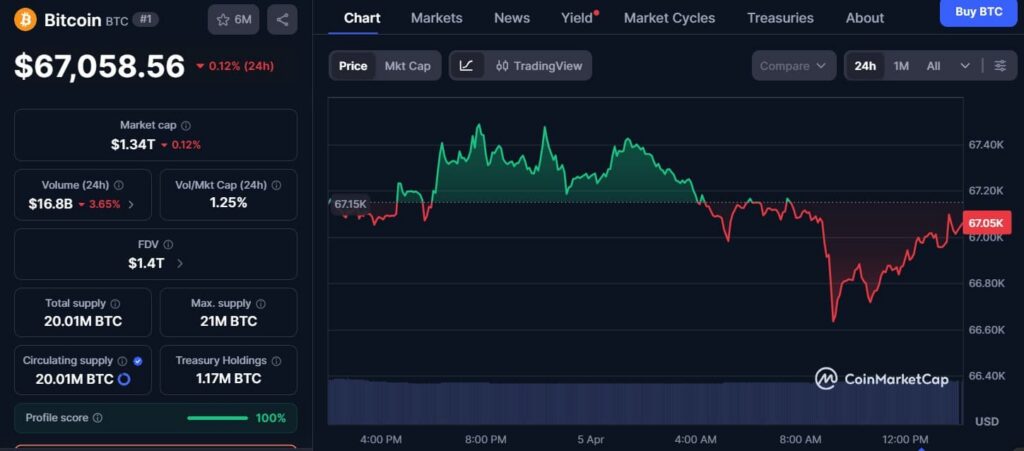
According to Talos signature data and Coin Metrics, losses reached a maximum of 34.6% in the moments of greatest tension of the quarter. However, despite this setback, a narrative of relative strength arises: after the outbreak of the conflict in Iran on February 28, Bitcoin showed greater firmness than traditional assets. While gold fell by 17% and the Nasdaq 7.6%, the drop in BTC after the start of hostilities was just 1.5%, suggesting that the asset is beginning to behave independently in the face of war crisis.
Why it matters
This story connects to BTC, cryptocurrencies and helps readers follow the wider crypto and market conversation with more context.
The Latin American context and the digital shelter
For Latin America, this volatility is not a new phenomenon, but it does change the perspective of the regional investor. In countries such as Argentina, Venezuela or Colombia, where the devaluation of the local currency is a constant concern, Bitcoin’s ability to overcome the yield of gold and technological actions during the outbreak of the war reinforces its thesis as ‘digital gold’.
Related: BTC
While in Wall Street, institutional investors remain on the sidelines expecting regulatory clarity, in the global South markets the narrative shifts towards financial survival. The historical increase in the use of BTC during periods of economic pressure, such as the one currently experienced globally, positions cryptocurrencies not only as a speculative asset, but also as a neutral reserve tool for those who seek to escape traditional financial systems restricted by conflict or inflation.
Related: Europe wants to regain control of digital payments
Analysis: Structural adjustment or macroeconomic bump?
From a technical perspective, what we are witnessing does not seem to be a break in the Bitcoin market structure, but rather a ‘macroeconomic reset’. Unlike previous cycles, the current infrastructure is more robust: Bitcoin ETFs in the United States retain about $100 billion in assets, indicating that institutional capital has not fled in mass. The settlement of more than $250 million in BTC by the Riot Platforms mining company is a sign that industrial actors are adjusting their balances, but the demand for ETFs has served as a buffer that prevents a greater collapse. The key for the second quarter will be whether the Fed decides to pause its rates, which would release the liquidity required for a new bullish boost.
Outlook for the second quarter
The immediate future depends on two fronts: American monetary policy and the resolution of the conflict in the Middle East. The current prediction markets are pessimistic about a ceasefire before June, which could keep the risk aversion. However, if the conflict persists, Bitcoin could accelerate its transition to a neutral reserve asset, moving away from its correlation with technological actions and approaching its original promise to be a refuge outside state control, a characteristic that resonates deeply in the economic reality of Latin America.
Do you want to keep up with the movements of the market? Visit our section Crypto news for daily analysis.
Disclaimer Clause: This article is purely informative and educational purposes. The content does not constitute financial, investment, legal or tax advice. Cryptocurrencies are highly volatile assets; Do your own research or consult a professional advisor before making any financial decisions. Cryptomedia It is not responsible for the losses arising from the use of this information.


