Stablecoins in Latin America: How the Digital Dollar is Saving Local Economies

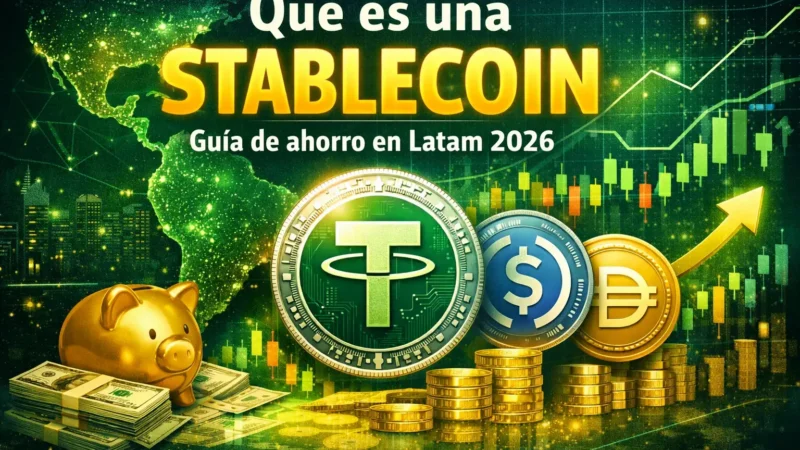
In the face of soaring inflation and currency devaluation, stablecoins in Latin America have evolved from a tech curiosity into a survival tool. This article explores how USDC in Mexico and the “digital dollar” in Argentina are reshaping the region’s financial sovereignty.
Across the vibrant landscapes of Latin America, a quiet monetary revolution is unfolding. It isn’t happening in the marble halls of central banks, but on the cracked screens of smartphones in the hands of street vendors, freelancers, and grandmothers. The rise of stablecoins in Latin America is no longer a speculative trend; it is a fundamental shift toward financial autonomy in a region long haunted by economic instability.
The Inflation Shield: Why LatAm Leads the World
For many in the West, cryptocurrency is an investment. In the Global South, it is a hedge. The adoption of stablecoins in Latin America is driven by a simple, brutal reality: local currencies are losing value faster than people can spend them.
Stablecoins—digital assets pegged 1:1 to the U.S. Dollar—offer a “digital mattress” where citizens can store their hard-earned wealth without watching it evaporate. Unlike Bitcoin, which can swing 10% in a day, these assets provide the predictability required for daily life.
The Three Pillars of Adoption:
- Wealth Preservation: Protecting savings from triple-digit inflation.
- Borderless Earnings: Allowing freelancers to receive a cryptocurrency digital dollar for global work.
- Low-Cost Entry: Bypassing traditional banks that often require high minimum balances or complex paperwork.
Argentina: Survival in a “Digital Dollar” Economy
If there is a ground zero for stablecoins in Latin America, it is Argentina. With inflation rates that have historically crippled the middle class, the Argentine people have become the world’s most sophisticated crypto users.
Stablecoins Argentina: A National Necessity
In Buenos Aires, the term stablecoins Argentina is synonymous with “freedom.” Because the government often imposes “cepos” (strict limits) on buying physical U.S. dollars, the public has turned to USDT and USDC.
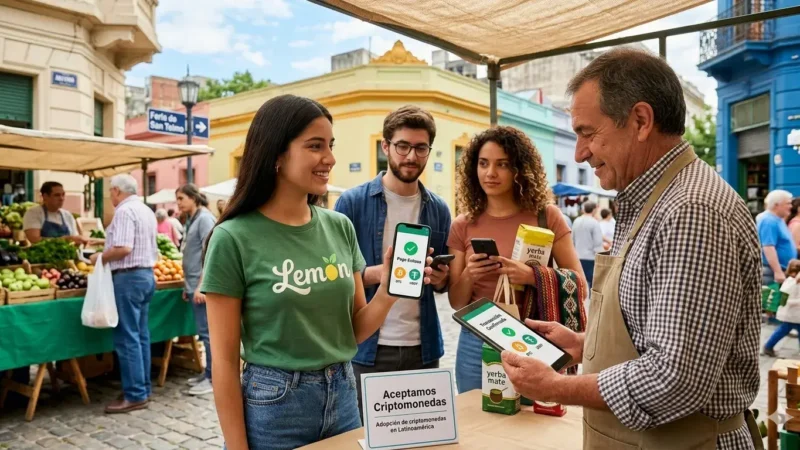
These digital assets serve as a parallel financial system. You can see QR codes for crypto payments in cafes and tech shops alike. By using stablecoins in Latin America, Argentines have effectively dollarized their personal finances, even if the national mint continues to struggle.
Mexico: The New Era of Remittances
While Argentina saves, Mexico moves money. The U.S.-Mexico border is the busiest remittance corridor on the planet, with billions of dollars flowing south every year. Historically, companies like Western Union have charged hefty fees, taking a significant cut from the families who need it most.
USDC Mexico: Instant, Cheap, and Secure
The integration of USDC Mexico into local payment apps has revolutionized this flow. By converting physical dollars into a cryptocurrency digital dollar, workers in the U.S. can send funds to their families in Mexico instantly.
When these funds arrive, the recipient can hold them as USDC to hedge against the Peso’s fluctuations or convert them to local currency at a much better rate than traditional banks offer. This specific use case is a major driver for the growth of stablecoins in Latin America.
The Rise of the Cryptocurrency Digital Dollar
Why is the cryptocurrency digital dollar so attractive? It combines the global trust of the U.S. greenback with the efficiency of blockchain technology.
- Circle (USDC): Known for its transparency and regulatory compliance, making it a favorite for USDC Mexico trade.
- Tether (USDT): The most liquid stablecoin, widely used in P2P markets across the region.
The ability to move value 24/7 without waiting for bank opening hours is a game-changer for a region where the traditional banking infrastructure is often slow or exclusionary.
The P2P Revolution and Daily Commerce
The beauty of stablecoins in Latin America lies in their decentralization. Peer-to-Peer (P2P) marketplaces allow users to buy and sell crypto using local bank transfers, digital wallets like Mercado Pago, or even cash.
This bottom-up adoption means that even if a government attempts to restrict crypto exchanges, the people can continue to trade value amongst themselves. This resilience is why stablecoins in Latin America have survived and thrived despite various regulatory “crackdowns.”
Future Outlook: From Niche to Necessity
As we look toward the future, the integration of stablecoins in Latin America will only deepen. We are seeing the emergence of “crypto cards” that allow users to swipe their stablecoin balance at any Visa or Mastercard terminal, instantly converting the cryptocurrency digital dollar into local fiat at the point of sale.
Key Trends to Watch:
- Institutional Adoption: More Latin American startups are keeping their treasury in USDC to avoid local volatility.
- Regulatory Clarity: Countries like Brazil are leading the way in creating clear rules that protect consumers while encouraging innovation.
- DeFi Integration: Users are starting to earn interest on their stablecoins Argentina holdings, providing a “savings account” that traditional banks simply cannot match.
Stay informed and read the latest cryptocurrency news in real time!
Conclusion
The story of stablecoins in Latin America is a testament to human ingenuity. Faced with economic hardship, the people of the region have adopted cutting-edge technology to protect their families and their futures. Whether it’s through USDC Mexico or the P2P markets of the South, the cryptocurrency digital dollar has become the new backbone of regional finance.